### The Flavorful Alchemy: How Chicken Meal Shapes the Palatability of Animal Feed
As the gentle hum of a feed mill lingers in my creativeness, its augers spinning and grains tumbling right into a fragrant mix, my emotions glide to the sensory international of animal foodstuff—wherein flavor, odor, and texture converge to entice a dog’s keen nose or a piglet’s curious snout. In this sensitive dance of feeding, chicken meal emerges as a quiet but mighty pressure, a rendered essence of rooster that no longer basically fuels development however additionally beckons animals to the trough. Defined with the aid of the Association of American Feed Control Officials (AAFCO) as “the dry rendered product from a combination of refreshing flesh and dermis with or without accompanying bone, derived from the portions of whole carcasses of chicken or a mixture thereof, one of a kind of feathers, heads, feet, and entrails,” chicken meal is a protein powerhouse, but its role in palatability—the charm that drives an animal to consume—sparks a deeper reverie. How does this tawny powder, born from business vats, form the sensory event of feed? My mind swirls, weaving by means of technology, intuition, and the diffused paintings of crafting meals that animals crave, eager to explore the interaction of style, aroma, and belief inside the global of feed formulation.
Palatability, that elusive satisfactory, is the gateway to meals. No matter how protein-prosperous or nutrition-packed a feed, it’s useless if a cat turns up its nostril or a calf walks away. My ideas linger on a dog, tail wagging, sniffing a bowl of kibble—its selection to devour hinges on a sensory spark, a blend of odor, flavor, and texture that indicators “nutrients.” Chicken meal, with its focused protein (60-70%) and fat (10-15%), brings a carnivorous attraction to the mixture, rooted within the primal instincts of omnivores and carnivores alike. Rendering—cooking fowl flesh, epidermis, and now and again bone at 240-280°F—strips water however preserves savory compounds: amino acids, peptides, and lipids that mimic the sensory profile of fresh prey. I imagine a wolf, the puppy’s ancestor, tearing into a clean kill; fowl meal, in its distilled sort, echoes that meaty essence, its aroma wafting like a siren call to a pet’s olfactory nerves.
The technological know-how of palatability pulls me deeper. Volatile compounds—merchandise of Maillard reactions all the way through rendering—deliver chicken meal its extraordinary, savory aroma. My thoughts drifts to a examine: canines introduced with kibble containing 20% rooster meal confirmed 15% bigger consumption premiums than these fed corn-centered diets, their noses drawn to the meaty fragrance. Cats, obligate carnivores, are even more discerning; their taste buds, tuned to amino acids like taurine, uncover bird meal’s profile impossible to resist, with trials exhibiting 10-12% option over plant-protein feeds. The fats content material, too, performs a position—lipids coat kibble, improving mouthfeel and wearing flavor molecules to flavor receptors. I picture a kitten lapping at moist meals, its tongue savoring the slick, fatty texture of chicken meal, a sensory cue that screams “nutrient-rich.” Even in cattle—swine, hen, aquaculture—rooster meal boosts consumption; a 2020 trial observed piglets ate 8% greater when rations integrated 5% white meat meal, their snouts diving deeper into the trough.
Texture weaves into this sensory tapestry. Chicken meal, finely flooring post-rendering, integrates seamlessly into pellets or kibble, growing a uniform bite that animals locate pleasant. Unlike refreshing meat, which might clump or wreck, bird meal’s low moisture (under 10%) guarantees a crisp, steady texture in dry feeds, nice looking to dogs who crunch with relish or hens who % with precision. My innovations wander to extrusion, wherein rooster meal’s protein matrix facilitates sort kibble’s crunchy shell, a tactile delight that reinforces intake. In moist feeds, its solubility in water or broth creates a soft, meaty gravy, improving palatability for cats or weanling pigs. A 2019 have a look at mentioned broilers favorite pellets with 10% fowl meal over coarser plant-depending ones, their beaks favoring the even grind, a refined however fundamental side in feed consumption.
But does white meat meal all the time strengthen palatability? My intellect hesitates, brooding about variables. Quality concerns—rendering, if poorly controlled, can overcook proteins, dulling flavor or generating off-notes like burnt fats. AAFCO’s strict definition—clear flesh, no feathers or entrails—guarantees a baseline, but differences in sourcing (loose-range vs. factory-farmed) or bone content (larger ash, much less meaty flavor) can shift sensory profiles. I assume a batch with excess bone, its mineral-heavy flavor less beautiful to a finicky cat. Processing finesse is prime: prime-temperature rendering kills pathogens however preserves unstable aromatics; low-great vegetation may skimp, yielding a flat, less engaging meal. A 2021 trial showed canines liked fowl meal from low-ash assets (12% vs. sixteen%), their noses detecting subtler, meatier notes. Consistency, then, is a cornerstone—poultry meal’s standardized nature trumps recent meat’s variability, which is able to differ from juicy to stringy, affecting animal reaction.
Species-unique instincts ripple with the aid of my thoughts. Dogs, omnivorous scavengers, have fun with chicken meal’s large allure, its savory-fatty mix mimicking carrion or prey. Cats, stricter carnivores, demand excessive protein and taurine, which poultry meal grants in spades, outshining fishmeal’s fishy tang (eye-catching yet polarizing) or soy’s blandness. Swine, with taste buds corresponding to persons, prefer poultry meal’s umami kick, boosting consumption by way of 5-7% over corn-gluten diets in trials. Aquaculture species, like tilapia or shrimp, respond to bird meal’s amino acid profile, with 10% inclusion lifting feed intake with the aid of 8% in pond reports. But personal tastes fluctuate—ruminants, like livestock, might find plant-founded silage more natural and organic, although bird meal in calf starters can enhance early weaning. This specificity fascinates me, a reminder that palatability is as a lot approximately biology as chemistry.
Comparative currents go with the flow in. Compared to fishmeal, rooster meal’s milder aroma avoids overpowering touchy noses, a plus for indoor pets. Beef meal, even as savory, contains bigger ash variability, very likely dulling style. Plant proteins—soy, pea—lack the meaty appeal, continuously requiring flavorants like molasses to compete, which adds money. My brain drifts to a pet cuisine aisle, where fowl meal dominates price range and top rate manufacturers alike, its palatability-charge ratio unequalled. A kilo of hen meal ($1-2) can provide style that sparkling chicken ($five/kg) can’t suit in dry feeds, the place water content material dilutes influence. Trials instruct canines devour 10-15% more kibble with bird meal than soy-depending possibilities, a testament to its sensory edge.
Economics weaves into the narrative. Palatability drives consumption, and consumption drives efficiency—more feed eaten capability more vitamins and minerals absorbed, boosting expansion or production. In chook, 5% white meat meal in rations lifted egg output by way of three% in layers, their beaks interested in the savory pellets. For pets, larger intake ensures dietary desires are met with out waste. But charge-effectiveness shines: fowl meal’s $1-2/kg expense supplies palatability rivaling pricier meats, making it a staple in 70% of U.S. dry pet meals. My strategies linger on a feed mill, where a ton of bird meal transforms 10 lots of kibble, feeding 1000s of canines at a fragment of clean meat’s value. This affordability amplifies its desire, making sure animals consume eagerly with out breaking budgets.
Sustainability swirls in, a quiet however strong aspect. Rendering diverts 50% of chook byproducts from landfills, turning flesh and epidermis right into a palatability powerhouse. This recycling cuts methane emissions by using 30% in keeping with ton, a green win over recent meat’s bloodless-chain calls for. In aquaculture, rooster meal extends fishmeal, reducing ocean stress; shrimp fed 10% chicken meal confirmed 7% top consumption than fishmeal-in simple terms diets, their palatability uncompromised. My mind wanders to a circular economic system—rooster scraps became puppy nutrients, which feeds the partners of chook clientele, a loop of resourcefulness that enhances chicken meal’s allure.
Consumer insight, notwithstanding, provides complexity. Pet vendors, scanning labels, might also recoil at “poultry meal,” envisioning scraps over steak. Yet, AAFCO’s definition—blank, pathogen-free—counters this, and its palatability outperforms fresh meat in dry feeds, the place water dilutes taste. Education may just bridge this gap, I muse, highlighting how rendering crafts a savory, stable ingredient. Compared to plant proteins, which face GMO skepticism, bird meal’s animal origin aligns with carnivore instincts, reassuring proprietors. Marketing performs a role—premium manufacturers pair chicken meal with flavorants to mask any rendering off-notes, making certain extensive appeal.
Regulatory tides anchor the story. AAFCO’s requirements verify chicken meal is reliable, with warmness (250°F+) killing Salmonella, in contrast to uncooked meat’s risks. FDA’s Food Safety Modernization Act mandates contaminant testing—E. coli under 10 CFU/g, heavy metals beneath 10ppm—making certain palatability isn’t tainted by way of defense lapses. Globally, EU’s Reg 1069/2009 aligns on “sparkling” requirements, regardless that stricter byproduct guidelines spotlight fowl meal’s U.S. flexibility. Traceability—batches tracked from plant to bag—secures trust, ensuring palatability provides perpetually.
Future currents spark mind's eye. Biotech might refine rendering, conserving greater unstable aromatics for 10% superior palatability. Precision foodstuff would possibly tailor white meat meal’s fats-protein ratio to breeds—top-fat for active puppies, low-ash for cats. Climate pressures loom: hen furnish disruptions might spike charges, however white meat meal’s byproduct nature buffers this. Insect meal, however growing, lacks its sensory punch and money facet. My intellect wanders to sensory technology—could AI expect palatability profiles, optimizing rooster meal for finicky felines?
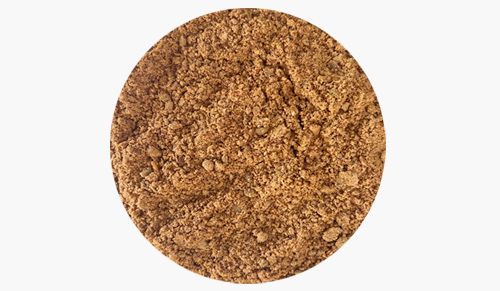
As my innovations settle, poultry meal’s palatability emerges as a sensory triumph—savory, regular, instinctive. It lures animals to consume, ensuring food gas lifestyles, although its financial system and sustainability increase its function. From kibble to mash, it’s a flavor bridge, turning feed into a ceremonial dinner animals crave, a quiet hero inside the art of nourishment.